How Insecticides Attack Metal Containers?
Synthetic pyrethroids like permethrin, cypermethrin, and tetramethrin are standard active ingredients in household pest control. While effective against insects, these chemicals are rarely filled alone. They require organic solvent carriers such as xylene, kerosene cuts, or methylated esters, or water-based emulsion systems to deliver a fine mist.
When stored inside metal containers, these solvent matrices present severe corrosion risks:
-
Solvents with high dielectric properties or acidic impurities accelerate micro-galvanic corrosion along the internal side-seam weld.
-
Aqueous formulations contain free moisture and surfactants that create pinhole corrosion cells at microscopic defects in the interior tin coating.
-
Propellant blends such as LPG or dimethyl ether can lower the pH of water-based formulas over time, creating an aggressive environment for unprotected steel.
Without a specialized Solvent-Resistant Internal Coating, chemical attack leads to side-seam rusting, lacquer flaking, liquid discoloration, and ultimate pinhole perforation.
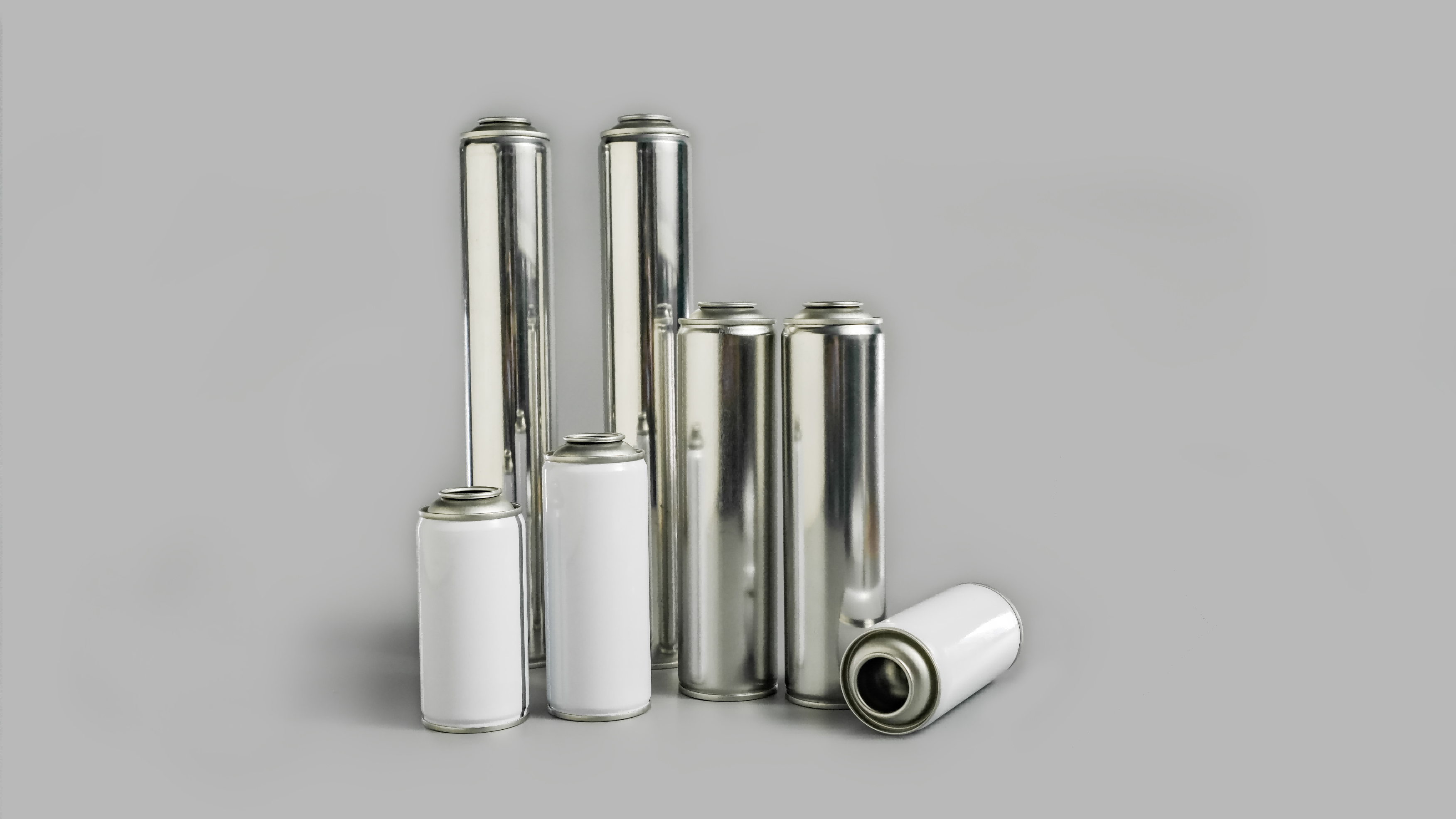
Double Lacquer Technology for Pest Control Spray Packaging
Preventing container degradation in Pest Control Spray Packaging relies on creating an impermeable chemical barrier between the liquid matrix and the steel substrate.
Single vs. Double Lacquer Systems
A single interior coat of standard epoxy lacquer may contain microscopic voids or pinholes caused by solvent evaporation during oven curing. For aggressive solvent matrices or water-based pyrethroid formulations, a double internal coating system is mandatory.
-
Primer Layer: An initial base coat of epoxy-phenolic resin seals raw steel, filling surface micro-cavities and providing high mechanical adhesion.
-
Top Coat Layer: A secondary layer of organosol, gold lacquer, or vinyl resin is applied over the cured primer. This layer resists chemical solvation and prevents aggressive solvents from penetrating to the base plate.
-
Side-Seam Stripe Protection: The longitudinal welding line receives a dedicated powder striping or liquid repair lacquer to shield raw steel edges exposed during electric resistance welding.
Coating System Selection Matrix
| Formulation Category | Matrix Components | Recommended Lacquer System | Curing Specification |
| Solvent-Based Pyrethroid | Organic solvents, kerosene, LPG propellant | Double Epoxy-Phenolic or Organosol | High-density cross-linking above 200°C |
| Water-Based Emulsion | Water, surfactants, pyrethroids, DME | Double Gold Lacquer with Side-Seam Stripe | Dual-pass thermal curing with low porosity rating |
| High-Concentrate Industrial | Active chemicals, heavy aromatic solvents | Phenolic-Rich Primer plus Vinyl Topcoat | Extended bake cycle for maximum chemical inertia |
Testing and Quality Assurance Protocols for Aerosol Tin Cans
To ensure Aerosol Tin Cans maintain structural integrity throughout a 24 to 36 month shelf life, manufacturers and filling plants perform rigorous compatibility testing.
Corrosion Verification Protocol
-
Copper Sulfate Porosity Test: Immersing lacquered tinplate samples in acidified copper sulfate solution exposes any bare steel pinholes through copper deposition.
-
Accelerated Storage Testing: Filling test cans with the target formulation and holding them in 45°C ovens for 12 weeks simulates two years of ambient storage.
-
Cross-Hatch Adhesion Test: Scoring the cured lacquer in a grid pattern and testing tape pull-off verifies that solvents will not compromise coating adhesion.
-
Side-Seam Corrosion Inspection: Cutting open stored containers to inspect the weld line under magnification verifies that no seam rusting or undercut corrosion has occurred.
Sourcing Reliable Insecticide Aerosol Tin Can Solutions
Selecting the correct internal lacquer specification protects product purity, extends shelf life, and prevents costly market recalls. Filling plants must specify high-density coating systems verified through strict quality testing.
Foshan Sailon Tinplate Printing & Can Making Co., Ltd. manufactures heavy-duty Insecticide Aerosol Tin Can products engineered for challenging chemical matrixes. Operating high-speed coating and printing lines, Sailon supplies Aerosol Tin Cans in 45mm, 52mm, 60mm, and 65mm diameters featuring precision double internal lacquering and 100 percent automated weld line protection. Visit sailon-can.com to learn more about technical packaging specifications or contact our engineering team to schedule compatibility testing for your formulation.